
Most of this trade offers a warranty on the support that was installed. That is not the same as a promise the house will stay level, and reading which one is on offer is the single most useful thing you can do with the paperwork.
Who the drainage clause binds in Phoenix
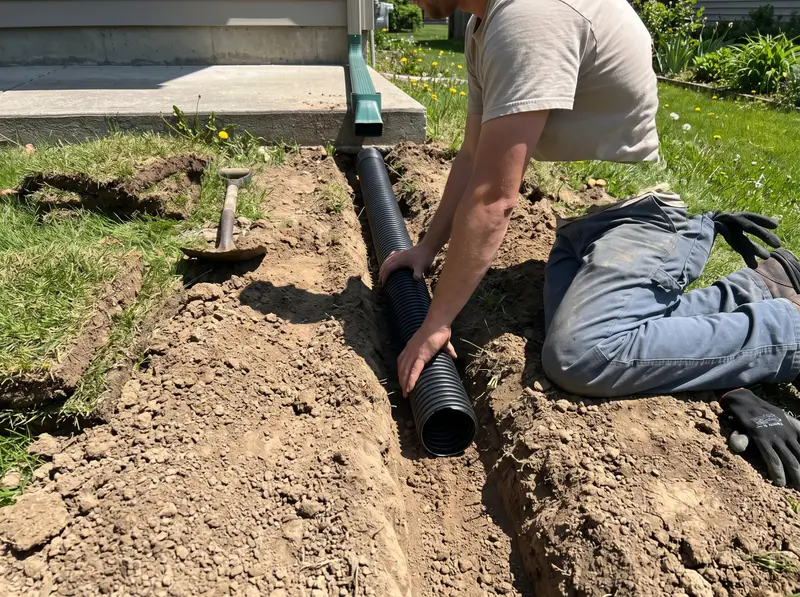
A ten-year storm drops 2.29 inches in a day here, and 343,369 homes here are lived in by the people who own them. A drainage clause is written to those owners: warranty documents often make the homeowner responsible for keeping water moving away from the foundation, which is why a warranty read only at the point of a claim can turn out to have been conditional all along. Read the clause against the gutters and grading the house has now.
The reasoning behind that
The common form covers the installed support: if a pier settles, the firm returns and adjusts or replaces it. That is a real promise and it is worth having. It is not a promise that no other part of the house will move, and the difference is where most disappointment in this trade comes from. Two questions separate a strong warranty from a weak one. Is it transferable to the next owner, and what voids it? Transferability is what makes it an asset at resale rather than a personal comfort. The voiding clauses usually concern drainage, landscaping and plumbing changes, and they are worth reading before the work rather than after. Ask also who honors it. A warranty is only as durable as the firm behind it, and this trade has a great deal of turnover. A long warranty from a young company and a shorter one from an established one are not straightforwardly comparable. This site does not perform the work and holds no warranty of its own. What it can do is tell you which questions make two pieces of paper comparable.
Every question, in one place: Phoenix Foundation Repair Co questions.
Check the Phoenix Foundation Repair Co service area to see whether your street is covered.
Back to Phoenix Foundation Repair Co.