
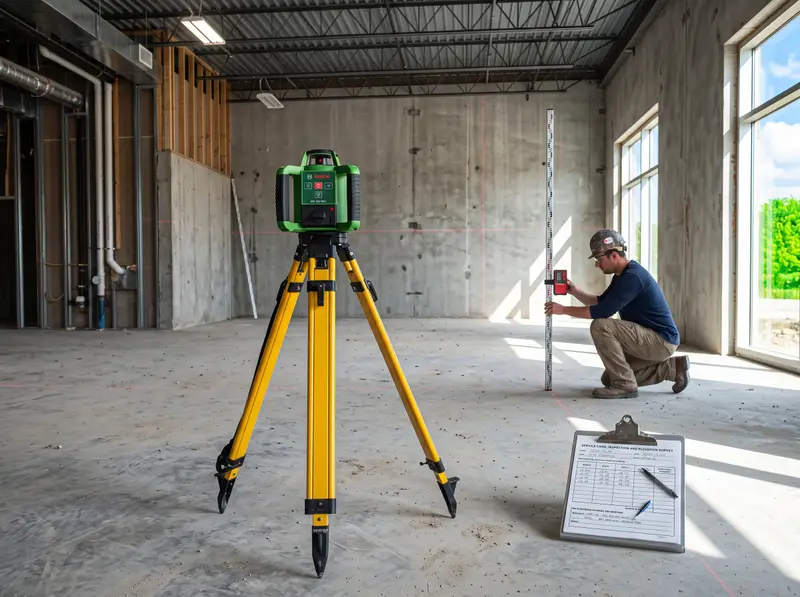
An inspection is priced from the number of floor planes measured and the turnaround required, not from the size of the repair it might lead to. Ask whether the fee is credited if you proceed, because many firms do.
What the reading establishes on a Phoenix house
A survey here is measuring a house built, at the median, in 1984 and worth $381,900. One set of elevations shows the shape of the floor on the day it was taken, and it says nothing about whether that shape is changing. That is why one set of measurements is a starting point rather than a verdict, and why the date on the report matters as much as the numbers.
The reasoning behind that
Three things move the number. How many separate floor planes have to be referenced, which is what additions and split levels add. How fast the report is needed, because a survey scheduled inside a few days is priced differently from one booked two weeks out. And whether a written report with the readings in it is included or extra. The credit question is worth asking directly. Some firms deduct the inspection fee from the repair if you proceed with them, which changes the effective cost to nothing — and also changes the incentive, which is worth being aware of rather than alarmed by. An independent engineer’s assessment costs more and carries no such credit, because there is no repair to credit it against. That independence is the thing being paid for. What makes any of them worth the money is the document. A visit that produces a verbal opinion has produced nothing that can be compared against a second reading, which is most of what an inspection is for.
Every question, in one place: Phoenix Foundation Repair Co questions.
Check the Phoenix Foundation Repair Co service area to see whether your street is covered.
Back to Phoenix Foundation Repair Co.